A Secular Constitution for Iran: What It Means in Practice
Exploring the practical implications of a secular constitution for Iran, focusing on the separation of religion and state, equal citizenship, freedom of belief, and judicial independence.
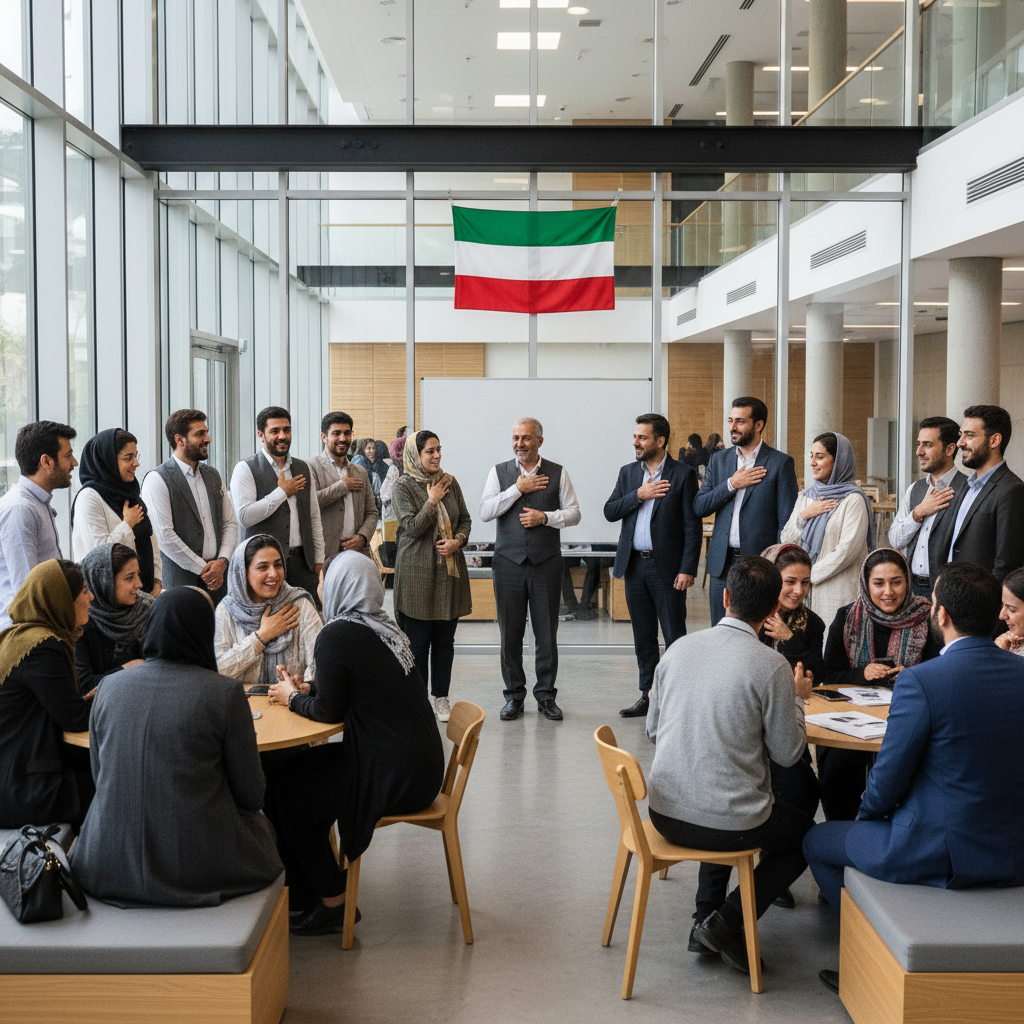
A secular constitution for Iran would fundamentally reshape the nation's governance, establishing a framework where the state serves all citizens equally, independent of religious doctrine.
The concept of a secular constitution is often misunderstood, but its practical implications are straightforward and profound. It means building a modern, democratic state that protects the rights and freedoms of all individuals, regardless of their faith or lack thereof. This shift is not about suppressing religion, but rather about ensuring that religious beliefs do not dictate state policy or discriminate against any segment of the population.
For Iran, transitioning to a secular framework would address many of the systemic issues that have plagued society for decades. It would lay the groundwork for a more just, equitable, and stable nation, where the rule of law is paramount and human dignity is universally respected. This transformation is a cornerstone of the vision for a democratic future.
Separation of Religion and State
At its core, a secular constitution mandates a clear separation between religious institutions and state governance. This means that religious leaders would not hold political office by virtue of their religious authority, and state laws would not be based on specific religious interpretations. Instead, laws would be derived from democratic processes, reflecting the will of the people and universal human rights principles.

Equal Citizenship for All
One of the most significant benefits of a secular constitution is the establishment of equal citizenship. This principle guarantees that every individual, regardless of their gender, religion, ethnicity, or sexual orientation, possesses the same rights and responsibilities under the law. Discriminatory laws based on religious affiliation or gender would be abolished, ensuring that all Iranians are treated with dignity and fairness.
Abolition of laws that discriminate based on gender or religion.
Equal access to education, employment, and public services for all citizens.
Protection of minority rights and cultural diversity.
Universal suffrage with equal weight for every vote.
Freedom of Belief and Expression
A secular state champions freedom of belief, allowing individuals to practice any religion, no religion, or change their religion without fear of persecution or legal penalty. This extends to freedom of expression, enabling open discourse, artistic creation, and the free exchange of ideas without religious censorship. The state's role is to protect these freedoms, not to enforce a particular ideology.
Judicial Independence
Judicial independence is a cornerstone of any just society, and a secular constitution strengthens this principle. Judges would be appointed based on merit and legal expertise, not religious qualifications or political loyalty. The judiciary would operate as an independent branch of government, upholding the constitution and protecting individual rights, free from interference by religious bodies or political factions.
Related articles

Meridian Launches Comprehensive Civic Education Curriculum for Diaspora Schools
Meridian introduces a new, free curriculum designed to empower Iranian diaspora youth with essential knowledge on democratic principles, governance, and the rule of law.

Understanding Meridian: Your Guide to Our Structure and Participation
Meridian is built on a foundation of democratic principles, empowering its members to shape the future of Iran. This guide explains how our party is organized, how decisions are made, and how you can get involved.