Unmasking the Surveillance State: A Call for Rights-Respecting Digital Governance in Iran
Meridian investigates the alarming expansion of state surveillance in Iran and proposes a rights-respecting alternative for digital governance.

Meridian’s latest investigation uncovers a disturbing trend of expanding state surveillance in Iran, raising critical questions about privacy, civil liberties, and the future of digital rights.
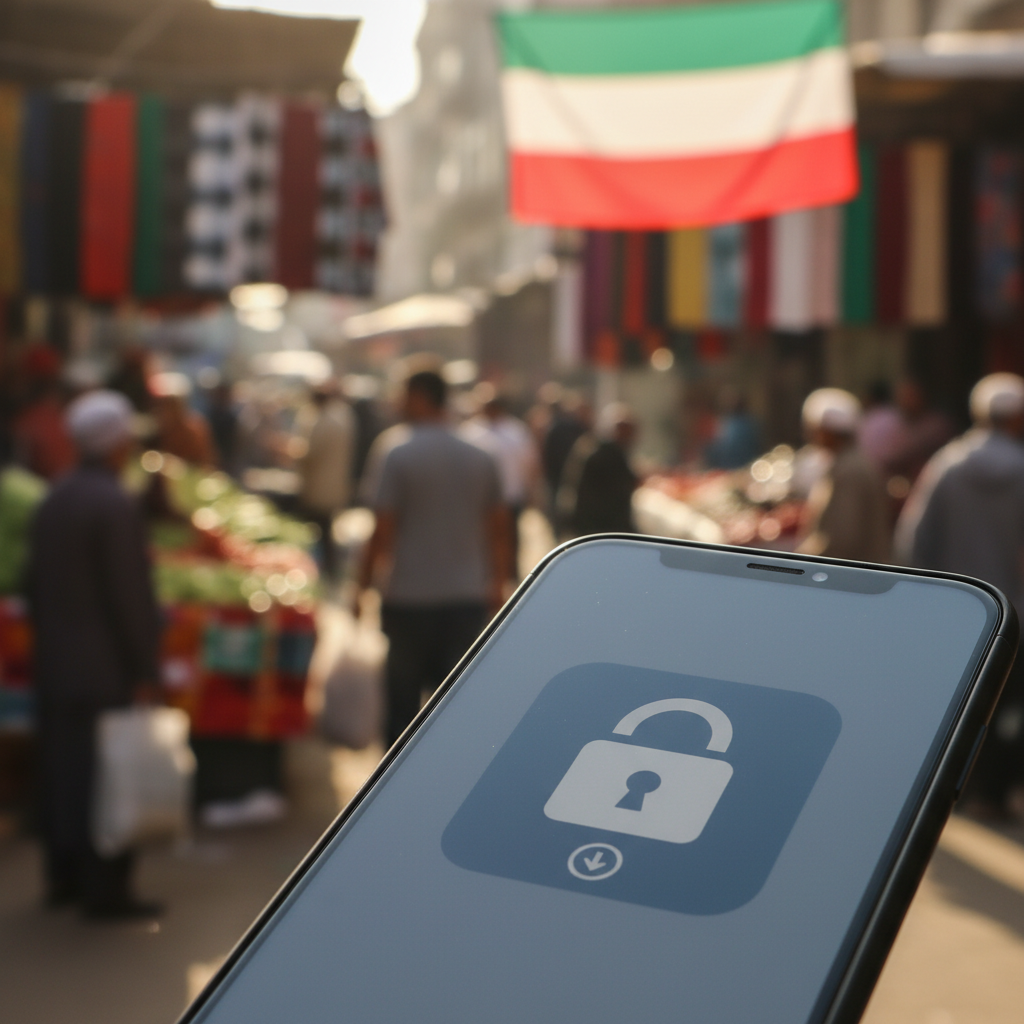
The Rise of Digital Control
Recent months have seen a significant acceleration in the implementation of advanced surveillance technologies across Iran. This includes the widespread deployment of facial recognition systems in public spaces and the increasing pressure for citizens to install state-mandated applications on their personal devices.
These measures, often justified under the guise of security or public order, are creating an environment where individual privacy is systematically eroded. The lack of transparency surrounding their operation and the absence of independent oversight are particularly concerning.
Facial Recognition: A Pervasive Threat
Facial recognition technology, once a futuristic concept, is now a daily reality for many Iranians. Reports indicate its use in monitoring public gatherings, identifying individuals in crowds, and even enforcing social norms. This pervasive monitoring capability poses a direct threat to freedom of assembly and expression.
Experts warn that without robust legal frameworks and independent judicial review, such systems can easily be misused for political repression. The potential for misidentification and the creation of extensive databases of citizens' movements and associations are grave concerns.
Mandatory Apps and SIM Registration
Beyond physical surveillance, the digital realm is also under increasing scrutiny. Citizens are frequently required to install specific government-approved applications, which often demand extensive permissions to access personal data, contacts, and location information. This creates a direct conduit for state access to private communications.
Furthermore, strict SIM card registration policies, linking every mobile number to an individual's national ID, eliminate any semblance of anonymity in digital communication. This makes it easier for authorities to track and identify individuals based on their online activities and phone usage.
“The current trajectory of digital surveillance in Iran is not just about security; it's about control. We must advocate for a future where technology empowers citizens, not suppresses them.”— Meridian Policy Analyst
A Rights-Respecting Alternative
Meridian believes that a different path is possible – one that prioritizes both national security and individual rights. A rights-respecting approach to digital governance would involve several key components, starting with transparent legislation.
This would include clear laws defining the scope and limits of surveillance, independent oversight bodies with real power, and judicial warrants for any data access. Public consultation and accountability mechanisms are crucial to building trust and ensuring that technology serves the people.
Investing in Secure and Open Technologies
Instead of investing in intrusive surveillance, resources should be directed towards developing secure, open-source digital infrastructure that protects user privacy by design. This includes promoting end-to-end encryption and supporting local tech innovation that adheres to international privacy standards.
Such an approach would not only safeguard citizens' rights but also foster a more dynamic and trustworthy digital economy. It would position Iran as a leader in responsible technological development, rather than a cautionary tale of surveillance overreach.



Meridian remains committed to advocating for a future where technology serves as a tool for progress and empowerment, not oppression. We urge all stakeholders to join us in demanding a digital future for Iran that respects the fundamental rights and freedoms of its people.
Related articles

Staying Connected: A Guide for Navigating Internet Shutdowns
In times of internet disruption, maintaining communication is vital. This guide offers practical steps for staying connected, from mesh apps to satellite options and essential operational security.

Meridian's Digital Freedom Toolkit: Navigating Censorship and Protecting Truth
Meridian introduces an open-source digital freedom toolkit designed to empower Iranians to safely circumvent censorship, protect their sources, and verify information during internet shutdowns.