Meridian Unveils Comprehensive Plan to Tackle Iran's Water Crisis
Meridian's Environment Working Group releases a detailed strategy addressing aquifer governance, agricultural reform, and regional water diplomacy to confront Iran's deepening water crisis.
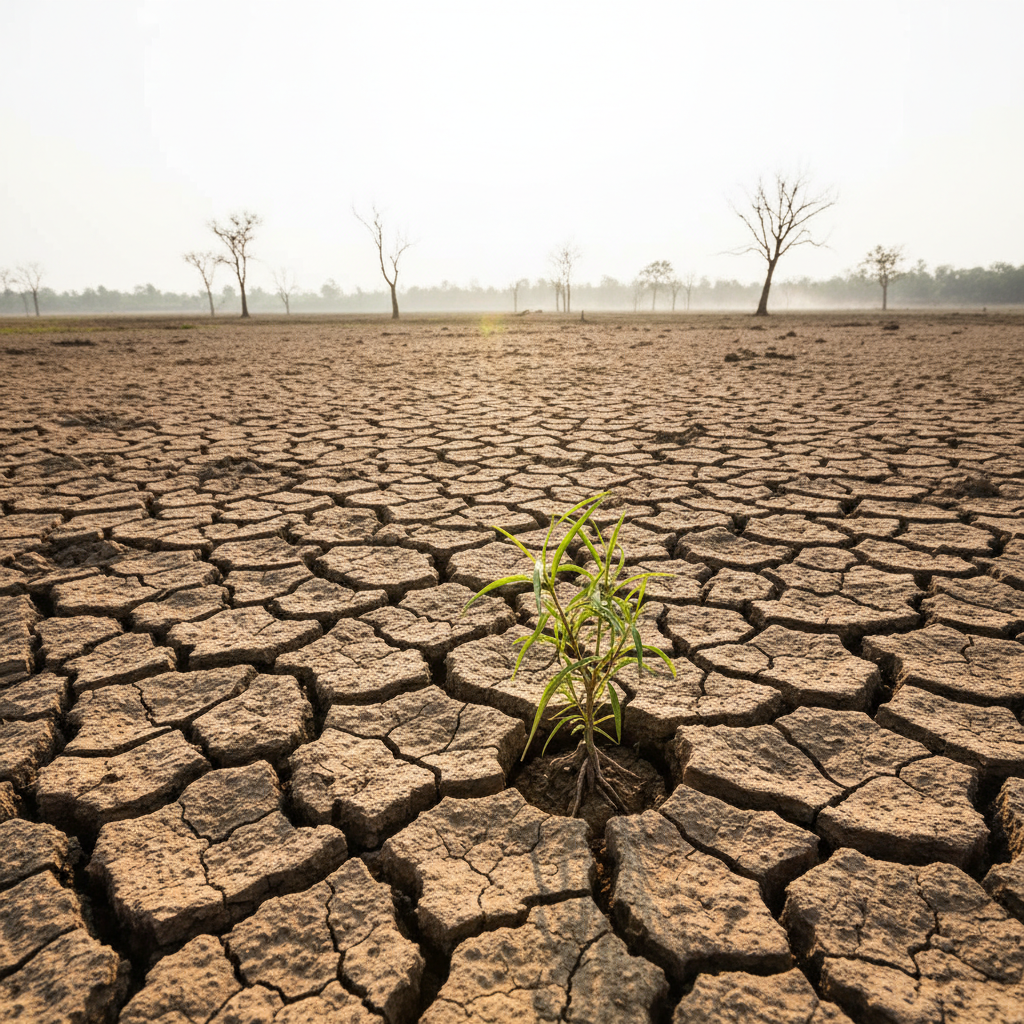
Meridian's Environment Working Group has published a comprehensive plan to address Iran's escalating water crisis, focusing on sustainable management and regional cooperation.
The detailed report, released this week, outlines a multi-faceted approach to confront the severe water shortages threatening communities across Iran. It emphasizes the urgent need for systemic changes in water management, moving away from current unsustainable practices.
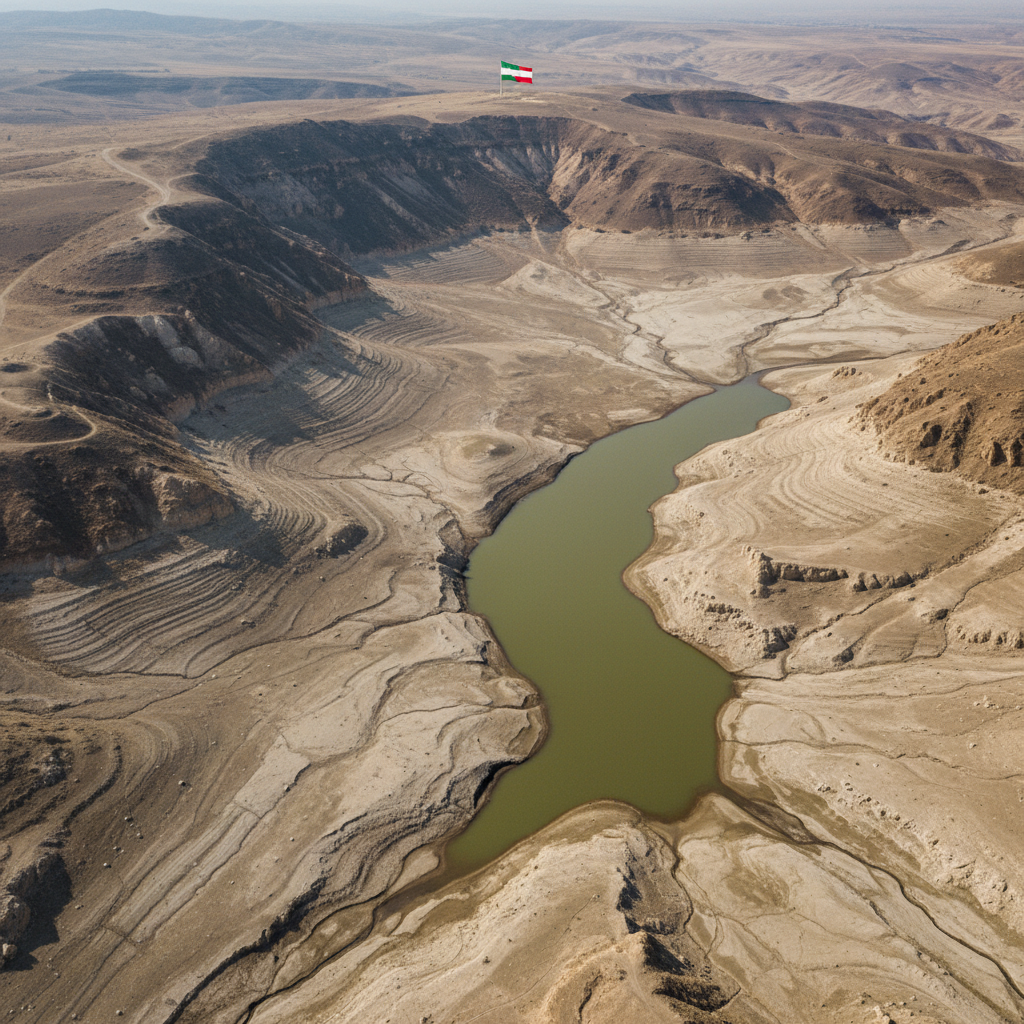
Reforming Aquifer Governance
A cornerstone of Meridian's plan is the radical overhaul of aquifer governance. The working group proposes the establishment of independent, community-led water management councils with real authority to regulate groundwater extraction.
These councils would be empowered to implement strict permitting systems, monitor water tables, and enforce penalties for illegal well drilling. The goal is to halt the rapid depletion of underground water sources, which are critical for long-term water security.
Sustainable Agricultural Transformation
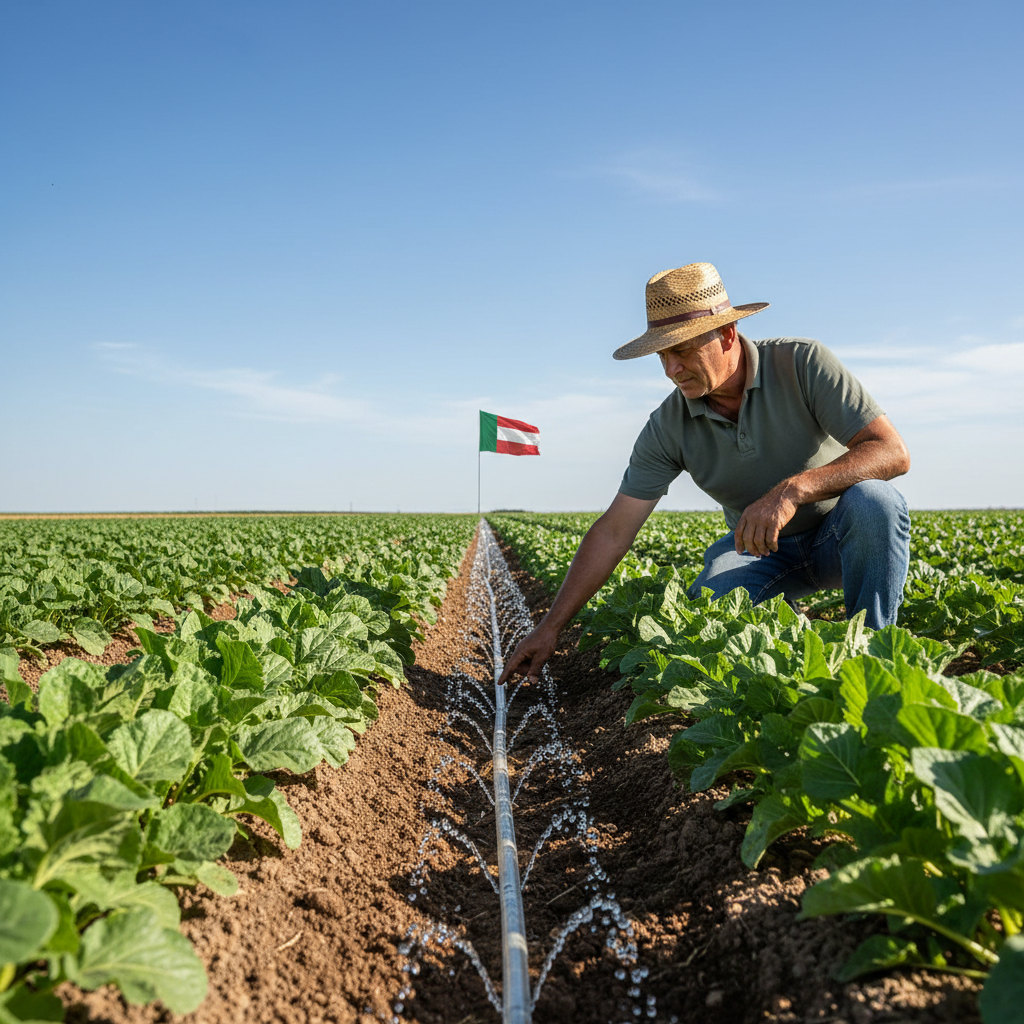
Recognizing agriculture as the largest consumer of water, the plan advocates for significant reforms in farming practices. This includes promoting drought-resistant crops, investing in advanced irrigation technologies like drip irrigation, and providing incentives for farmers to adopt water-efficient methods.
Meridian also suggests a shift away from water-intensive crops in arid regions and a focus on agricultural diversification. Education and training programs for farmers will be crucial to ensure a smooth transition to more sustainable practices.
Regional Water Diplomacy
The report highlights the transboundary nature of many water issues and calls for robust regional water diplomacy. Meridian proposes engaging neighboring countries in cooperative agreements for shared river basins and water resources.
This diplomatic effort would aim to establish fair allocation mechanisms, joint monitoring programs, and collaborative projects for water conservation and infrastructure development. International cooperation is seen as essential for long-term stability and resource sharing.
The water crisis is not merely an environmental challenge; it is a profound threat to our national security, economic stability, and social cohesion. Our plan offers a viable path forward, rooted in science, community empowerment, and regional cooperation.— Spokesperson, Meridian Environment Working Group
Investment in Infrastructure and Technology
Beyond policy reforms, the plan also emphasizes the need for significant investment in modern water infrastructure. This includes upgrading aging pipelines to reduce leakage, expanding wastewater treatment facilities for reuse, and exploring desalination technologies where appropriate and environmentally sound.
The working group stresses that technological solutions must be integrated with ecological principles to ensure sustainability and avoid unintended environmental consequences.
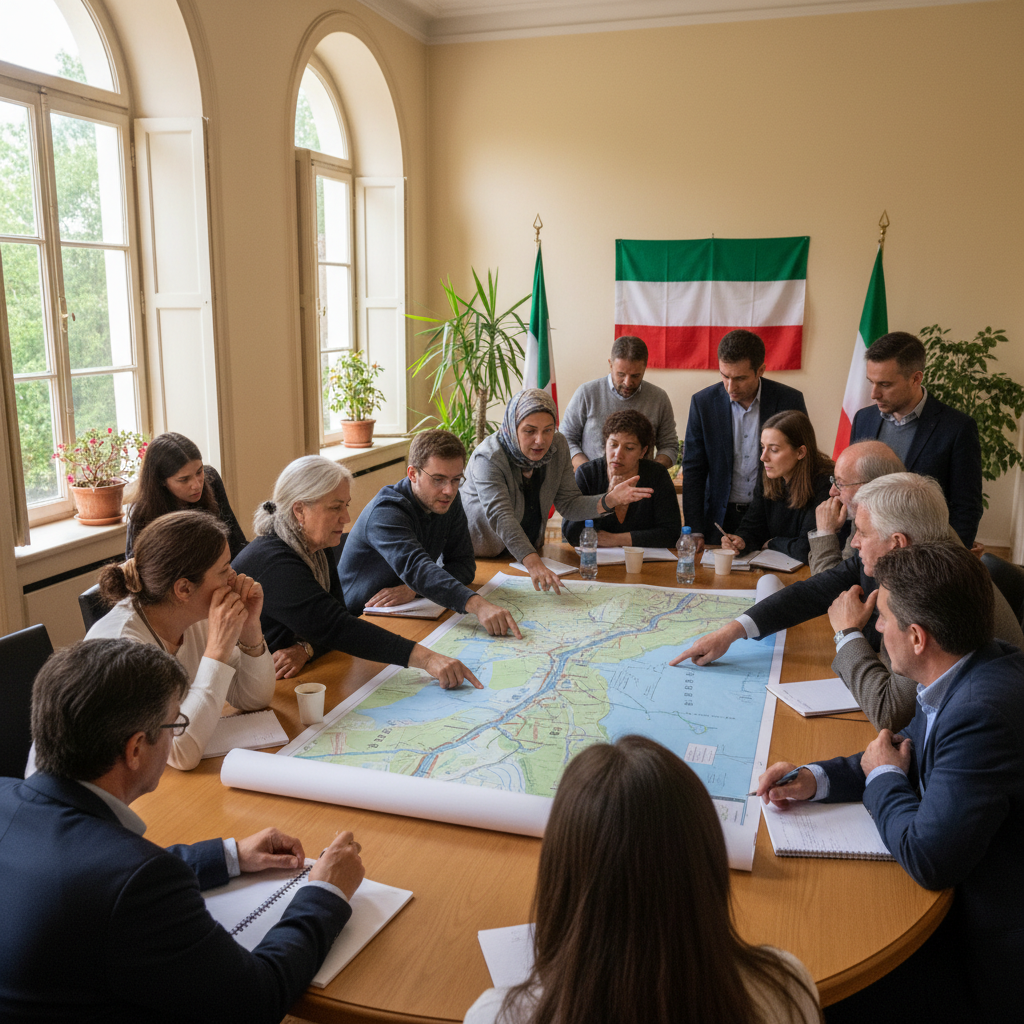
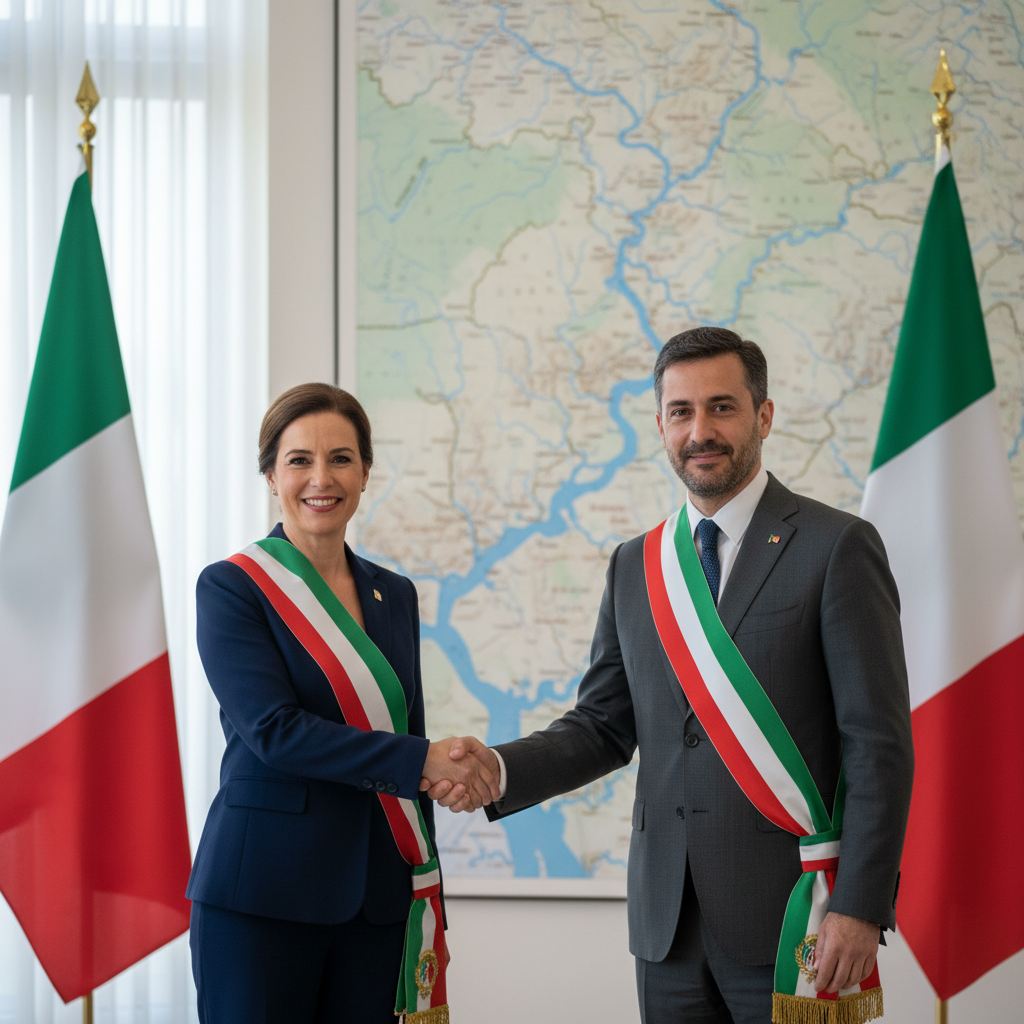
Meridian's Environment Working Group calls on all stakeholders, from government bodies to local communities and international partners, to engage with this plan constructively. They believe that a concerted, collaborative effort is the only way to avert a deeper crisis and secure a water-resilient future for Iran.
Related articles
Meridian Unveils 'First 100 Days' Blueprint for a Democratic Iran
Meridian outlines a comprehensive plan for a swift and peaceful transition to democracy, focusing on human rights, economic stability, and constitutional reform.
Meridian's Vision: A Democratic, Secular, Federal Iran Explained
A new explainer video from Meridian breaks down the core tenets of its platform, offering a clear vision for a future Iran built on democracy, secularism, and federalism.
Meridian Policy Brief Advocates for Equal Citizenship and Minority Rights
A new policy brief from Meridian outlines a comprehensive framework for ensuring equal citizenship for Iran's ethnic and religious minorities, focusing on language rights, anti-discrimination legislation, and local self-governance.